
Air Fryers: Cooking GDPR Compliance


Air fryers have surged in popularity since 2020, becoming a staple in kitchens worldwide thanks to their ability to make healthier, oil-free meals. In 2023 alone, global spending on air fryers surpassed $1 billion USD, according to various market data sources. This popularity reflects a growing consumer demand for easy-to-use appliances that align with modern health-conscious cooking trends.
While air fryers have brought convenience and innovation to meal preparation, their rise has also sparked new concerns about data privacy and governance. Many modern air fryers are IoT-enabled, allowing users to control cooking temperatures, times, and even access recipes via mobile apps.
This integration of technology has turned air fryers into more than just a cooking appliance; they’ve become a luxury in connected homes.
However, this convenience raises important questions:
Do consumers fully understand where their data is going, and what kind of information is being handled?
As smart kitchen devices collect usage data—such as cooking habits, preferences, and possibly personal identifiers—it's essential for users to be aware of the data privacy implications. Are manufacturers and app developers being transparent about how they collect, store, and share user data?
With the growing adoption of IoT devices, these questions become even more critical for both consumers and regulators. Especially with some accusations that third-party phone applications for these IOT devices are sharing data to other countries without the user fully understanding where their data is going.
Learning About Air Fryers and GDPR
GDPR allows a clear understanding for a user to know how their data is being handled and what type of data is being collected.
Depending on the air fryer, the following data could be collected:
First name or email to link to an account
Device performance for troubleshooting
Types of food cooked or cooking times for performance tracking
Third-party data for smart phone applications or for customize ads
Forbes has released an article about their top choice air fryers:
Instant Pot Vortex 6
COSORI TurboBlaze
Breville Smart Oven Air Fryer
Ninja 4-Quart Air Fryer
Typhor Dome
Unveiling The Privacy Policy Ingredients
There are several websites and browser extensions available that can help verify or even assist in creating privacy policies. However, it’s important to note that these tools are not always 100% accurate, and should be used as guides rather than definitive sources. They can offer valuable insights into areas that may need improvement in your privacy policy.
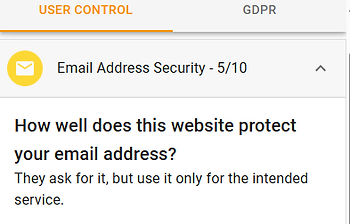
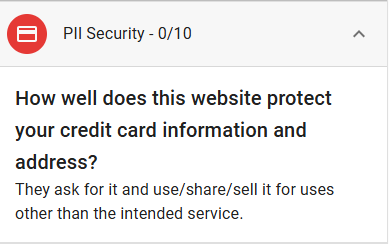
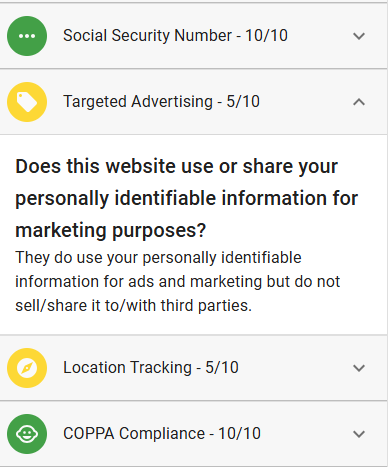
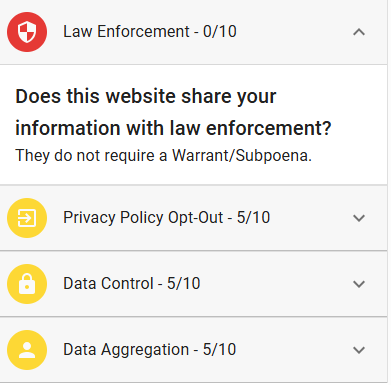
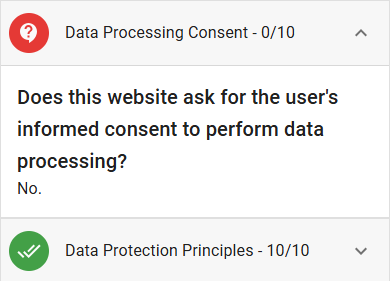
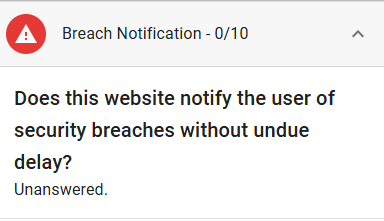
If you're looking for a free tool to better understand privacy policies or GDPR compliance, the University of Texas has released a browser extension. This extension scans online privacy policies and provides a detailed, usable breakdown of the policy’s score.
Below is an example of how this tool assesses the privacy policy for one of Forbes’ top-picked consumer products Instant Pot Vortex 6:

Understanding and Protecting Your Data
Are these Air Fryers truly selling your data to other countries? The answer is it depends. Understanding how your data is handled is essential in today’s connected world. When you use smart devices like air fryers that are linked to mobile apps, your data—such as usage patterns and personal preferences—can contribute to your online profile. This includes not just your own data, but potentially your children’s as well if their information is collected through the app.
It’s crucial to read and understand the privacy policies associated with these devices. Opting into data collection should only occur when it’s deemed necessary and beneficial. By using tools like privacy checkers, users can easily assess the policies of the devices they use, helping them make more informed decisions about what data they’re willing to share and how it might be used—whether it’s retained locally or transferred to other countries.


Comments